

 English
 русский
 عربى
عربى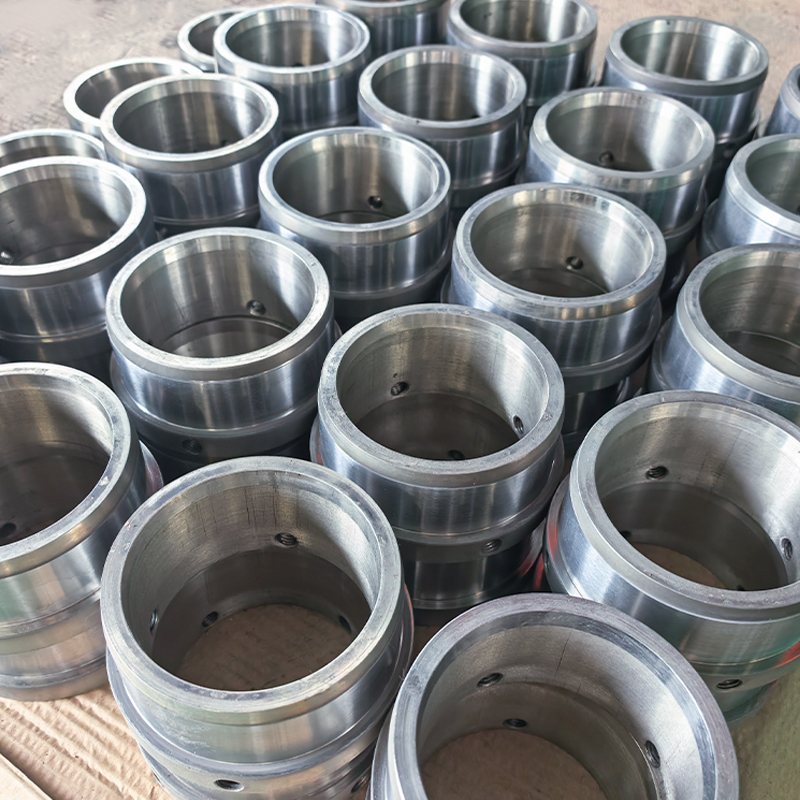
بطانات كربيد مقاومة للارتداء مخصصة
البطانات هي منتجات مخصصة وفقًا للرسومات: ...
عرض المزيدمحتوى
إن العمود الخزفي من أكسيد الألومنيوم عبارة عن مكون دوار مصنوع بدقة من الألومينا، وهي واحدة من أصعب المواد الخزفية وأكثرها استقرارًا المستخدمة في التطبيقات الهندسية اليوم. على عكس الأعمدة التقليدية المصنوعة من الفولاذ أو الفولاذ المقاوم للصدأ، يوفر العمود الخزفي من أكسيد الألومنيوم صلابة استثنائية وعزلًا كهربائيًا ممتازًا ومقاومة رائعة للتآكل والتآكل ودرجات الحرارة المرتفعة، وهي خصائص تجعله خيارًا مفضلاً في التطبيقات التي لا تستطيع الأعمدة المعدنية مواكبتها.
توجد هذه الأعمدة بشكل شائع في المضخات التي تتعامل مع المواد الكيميائية المسببة للتآكل، والمحركات عالية السرعة، ومعدات تصنيع أشباه الموصلات، والأجهزة الطبية، والأدوات الدقيقة حيث يمكن حتى للكميات الصغيرة من التآكل أو التداخل الكهربائي أن تؤثر على الأداء. نظرًا لأن أكسيد الألومنيوم خامل كيميائيًا ولا يتفاعل مع معظم الأحماض أو المذيبات أو السوائل المسببة للتآكل، يلجأ المهندسون بشكل متزايد إلى الأعمدة الخزفية عندما تتحلل المكونات المعدنية بسرعة كبيرة جدًا أو تدخل موصلية كهربائية غير مرغوب فيها إلى النظام.
إن المزيج المحدد من الخصائص الموجودة في سيراميك أكسيد الألومنيوم هو ما يميزه عن مواد العمود الأخرى، ويساعد فهم هذه الخصائص في تفسير سبب اختيار المهندسين له للتطبيقات الصعبة.
يحتل أكسيد الألومنيوم المرتبة التاسعة على مقياس صلابة موس، مما يجعله أصعب بكثير من الفولاذ المتصلب. يُترجم هذا مباشرة إلى أعمدة تقاوم الخدش والنقر وتدهور السطح حتى بعد سنوات من الدوران المستمر ضد المحامل أو السدادات أو أسطح التلامس الأخرى، مما يؤدي إلى إطالة عمر الخدمة بشكل كبير في البيئات شديدة التآكل.
على عكس الأعمدة المعدنية، يعتبر سيراميك أكسيد الألومنيوم عازلًا كهربائيًا ممتازًا. وهذا يجعل الأعمدة الخزفية ذات قيمة خاصة في التطبيقات التي يكون فيها منع التيار الكهربائي من المرور عبر العمود أمرًا بالغ الأهمية، كما هو الحال في بعض تصميمات المحركات أو المعدات الإلكترونية الحساسة حيث يمكن أن تتسبب التيارات الضالة في حدوث تداخل أو تلف.
لا يتفاعل أكسيد الألومنيوم مع معظم الأحماض أو القلويات أو المذيبات، مما يجعل الأعمدة الخزفية مناسبة بشكل طبيعي لمعدات المعالجة الكيميائية، ومضخات السوائل المسببة للتآكل، وأنظمة معالجة مياه الصرف الصحي حيث قد تتآكل الأعمدة المعدنية وتفشل خلال فترة زمنية قصيرة نسبيًا.
يعتمد اختيار مادة العمود المناسبة على المتطلبات المحددة لتطبيقك. الجدول أدناه يقارن مهاوي السيراميك أكسيد الألومنيوم ضد المواد الأخرى شائعة الاستخدام.
| مادة | صلابة | مقاومة التآكل | الموصلية الكهربائية |
| سيراميك أكسيد الألومنيوم | عالية جدًا | ممتاز | عازل |
| الفولاذ المقاوم للصدأ | معتدل | جيد | موصل |
| أداة تصلب الصلب | عالية | ضعيف إلى متوسط | موصل |
| التيتانيوم | معتدل | ممتاز | موصل |
في حين أن التيتانيوم يوفر مقاومة ممتازة للتآكل، إلا أنه لا يتطابق مع الصلابة أو خصائص العزل الكهربائي لسيراميك أكسيد الألومنيوم، ويأتي بتكلفة مادية أعلى بكثير. بالنسبة للتطبيقات التي تجمع بين التعرض للمواد الكيميائية ومتطلبات العزل الكهربائي، غالبًا ما يكون العمود الخزفي لأكسيد الألومنيوم هو الحل الأكثر عملية وفعالية من حيث التكلفة.
لقد وجدت أعمدة سيراميك أكسيد الألومنيوم طريقها إلى مجموعة واسعة من الصناعات حيث تحل خصائصها الفريدة تحديات هندسية محددة.
يتضمن إنتاج عمود سيراميك أكسيد الألومنيوم الدقيق عملية متعددة الخطوات تختلف تمامًا عن تصنيع المعادن، نظرًا لأن صلابة المادة تجعل أدوات القطع التقليدية غير فعالة بمجرد حرقها بالكامل.
يتم خلط مسحوق أكسيد الألومنيوم مع المواد الرابطة ويتم ضغطه أو بثقه في شكل عمود خشن، ثم يتم تسخينه عند درجات حرارة عالية للغاية في عملية تسمى التلبيد. تعمل هذه الخطوة على دمج جزيئات السيراميك معًا، مما يؤدي إلى إنشاء عمود صلب وكثيف يتميز بالصلابة والقوة المميزة للمادة.
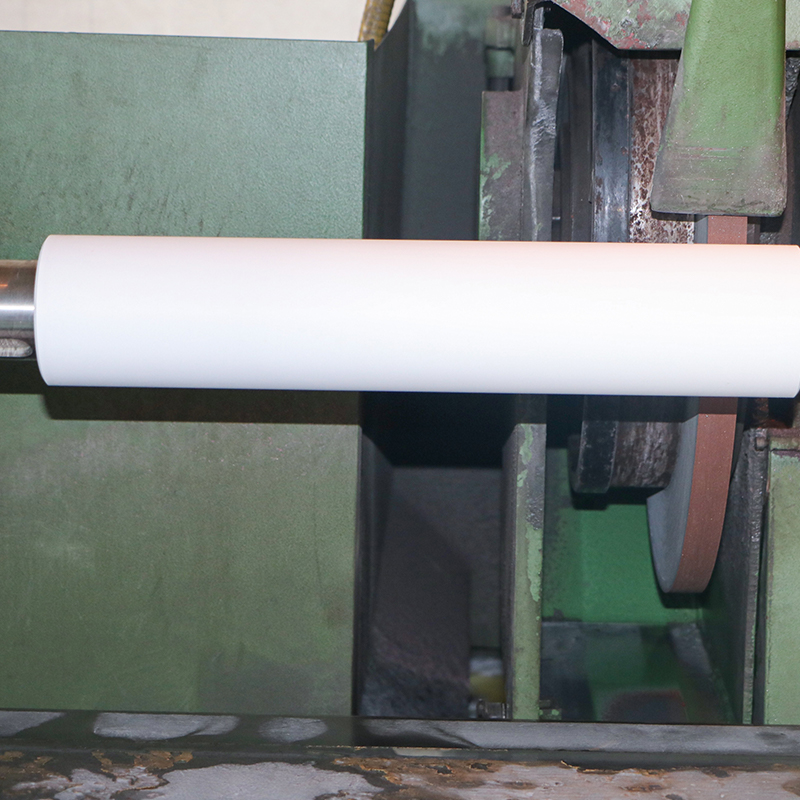
نظرًا لصعوبة تصنيع أكسيد الألومنيوم باستخدام أدوات القطع القياسية بعد التلبيد، يستخدم المصنعون عجلات طحن الماس لتحقيق الأبعاد النهائية والتشطيب السطحي. تعتبر هذه الخطوة حاسمة بالنسبة للأعمدة التي تحتاج إلى تفاوتات مشددة لتركيب المحامل أو المحاذاة الدورانية الدقيقة في المعدات الحساسة.
على الرغم من أن الأعمدة الخزفية المصنوعة من أكسيد الألومنيوم توفر فوائد مثيرة للإعجاب، إلا أنها ليست الخيار الصحيح تلقائيًا لكل تطبيق. هناك بعض العوامل التي تستحق الدراسة بعناية قبل اتخاذ القرار النهائي.
يساعد العمل بشكل وثيق مع جهة تصنيع ذات خبرة في تصميم مكونات السيراميك على معالجة هذه الاعتبارات مبكرًا، خاصة فيما يتعلق بهندسة العمود وطرق التثبيت التي تقلل من نقاط تركيز الضغط حيث من المرجح أن تنشأ الشقوق.
نظرًا لأن أعمدة سيراميك أكسيد الألومنيوم أكثر هشاشة من المعدن، فإن التعامل السليم أثناء التركيب والصيانة أمر ضروري لتجنب الأضرار الباهظة الثمن.
لا تضرب عمود السيراميك مباشرة بمطرقة أو أداة معدنية أثناء التثبيت، وتجنب الإعدادات التي تركز القوة على منطقة اتصال صغيرة. إن استخدام تجهيزات الضغط المناسبة وتوزيع الأحمال أثناء التجميع يمنع حدوث تشققات صغيرة قد تؤدي إلى الفشل لاحقًا في ظل ضغط التشغيل العادي.
إن إقران العمود الخزفي بوصلات أو محامل مصممة لاستيعاب معدل التمدد الحراري المختلف يساعد على منع تراكم الضغط الذي قد يؤدي إلى تشقق العمود أثناء تقلبات درجات الحرارة أثناء التشغيل.
يوفر العمود الخزفي من أكسيد الألومنيوم مزيجًا رائعًا من الصلابة ومقاومة التآكل والعزل الكهربائي الذي لا يمكن للأعمدة المعدنية أن تتطابق معه في العديد من التطبيقات الصعبة. بدءًا من مضخات المعالجة الكيميائية وحتى معدات أشباه الموصلات الدقيقة، تعمل هذه المادة على حل المشكلات التي قد تتطلب استبدال الأجزاء بشكل متكرر أو طبقات حماية معقدة على المكونات المعدنية التقليدية. من خلال فهم نقاط قوة المادة، والعمل مع الشركات المصنعة ذات الخبرة على تصميم العمود المناسب، واتباع ممارسات التعامل الدقيقة أثناء التثبيت، يمكن للمهندسين الاستفادة الكاملة مما تقدمه أعمدة سيراميك أكسيد الألومنيوم مع تجنب حالات الفشل المرتبطة بالهشاشة والتي تمنح السيراميك في بعض الأحيان سمعة غير مستحقة للهشاشة.
البطانات هي منتجات مخصصة وفقًا للرسومات: المواد الأساسية: الفولاذ المقاوم للصدأ 304 ، الفولاذ المقاوم للصدأ 316 ، الفولاذ الكربوني ، 45# الصلب اختياري. ثانياً ، تصميم الطلاء: دعم ا...
انظر التفاصيل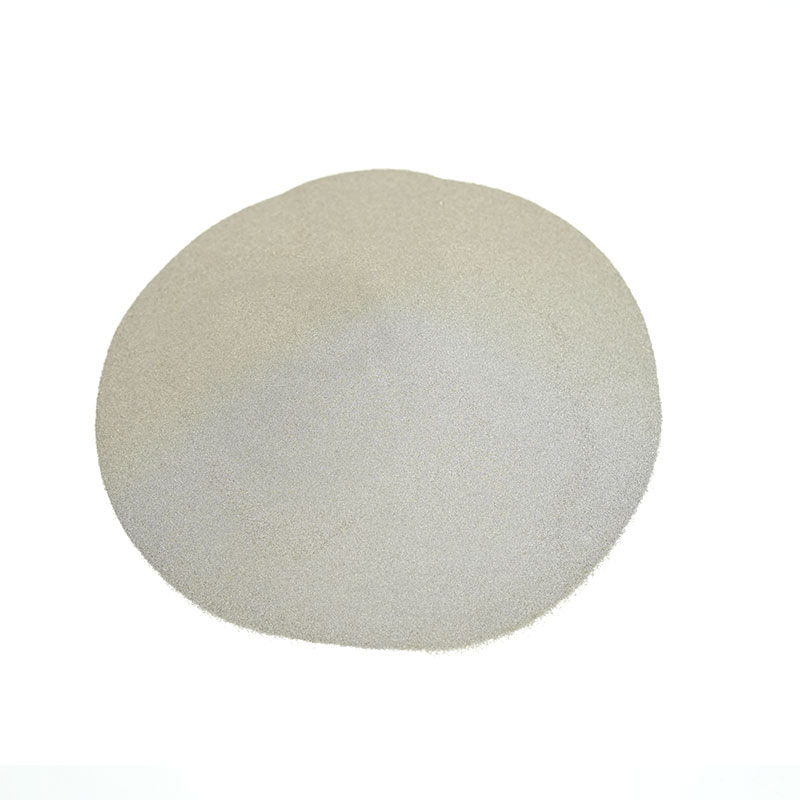
مسحوق السبائك المعتمد على الكوبالت عبارة عن مسحوق سبيكة صلبة يمكنه مقاومة التآكل والتآكل والأكسدة المختلفة عند درجات الحرارة العالية. أنه يحتوي على نسبة كبيرة من الكروم، وW، وكمية صغيرة من عناصر Ni، M...
انظر التفاصيل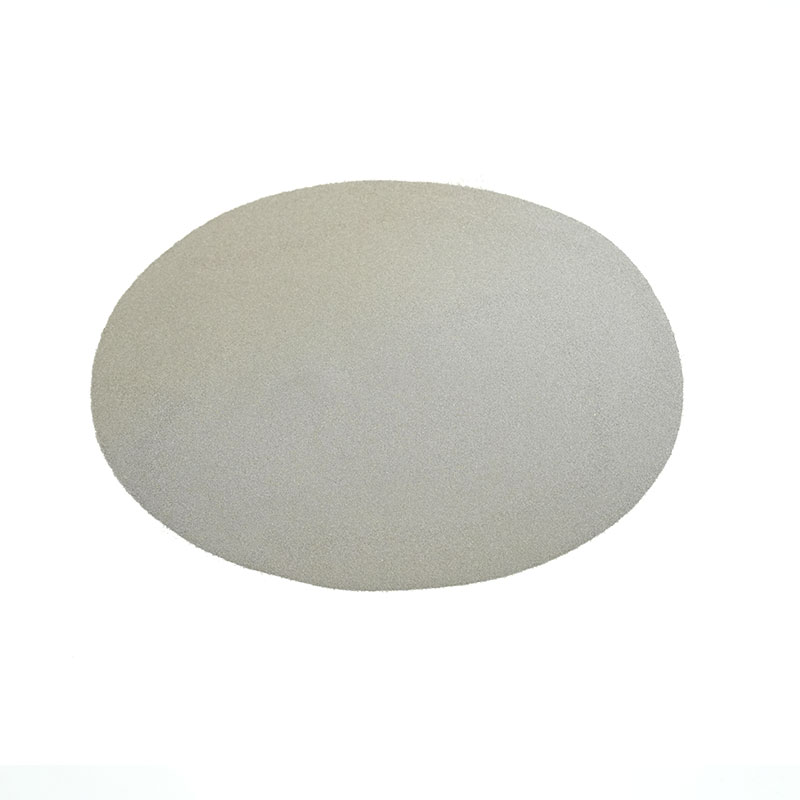
تعتمد السبائك القائمة على النيكل على النيكل وعادة ما يتم استكمالها بالكروم والكربون والبورون والحديد والسيليكون. أنها تغطي مجموعة واسعة من الصلابة، من الناعمة إلى الصلبة. هذه السبائك سهلة التصنيع أو ا...
انظر التفاصيل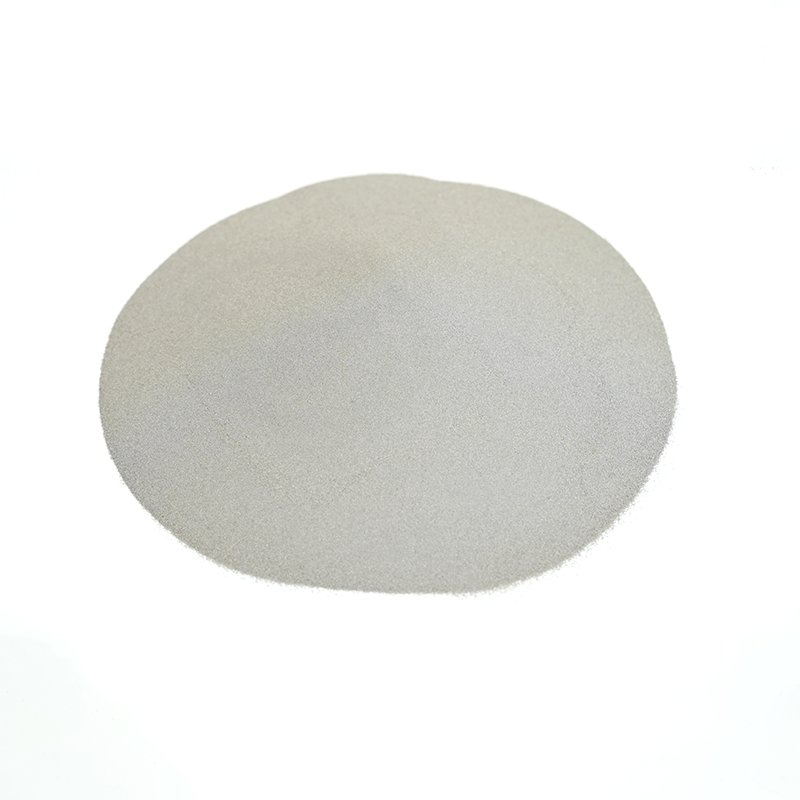
يشير مسحوق السبائك ذات الأساس الحديدي إلى مادة مسحوقة مصنوعة من الحديد باعتبارها الجسم الرئيسي وعناصر صناعة السبائك الأخرى. يتم استخدامها عادةً لتصنيع الأجزاء الميكانيكية ذات المتطلبات الخاصة مثل القو...
انظر التفاصيل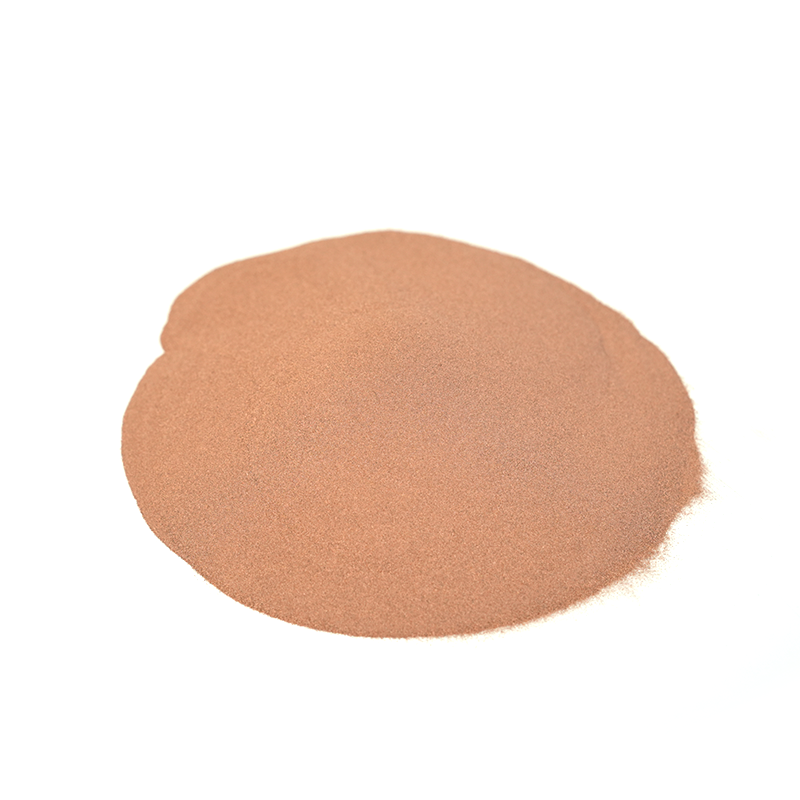
مسحوق السبائك النحاسية كثيف بدون طلاء، ويمكن أن يقاوم التآكل والتجويف، وله مقاومة جيدة للتآكل وخصائص تشحيم، ويسهل قطعه بالطلاء للحصول على أفضل تشطيب. تتميز سبائك النحاس بموصلية كهربائية ممتازة، وموصلي...
انظر التفاصيل
مسحوق السبائك الفائقة القائم على النيكل عبارة عن مادة سبيكة ذات قوة عالية، ومقاومة للأكسدة ومقاومة للتآكل عند درجات حرارة عالية تصل إلى 650-1000 درجة مئوية، وتستخدم على نطاق واسع في درجات الحرارة العا...
انظر التفاصيل
مسحوق سبائك كربيد التنغستن القائم على النيكل هو نوع جديد من المواد المعدنية مع آفاق تطبيق واسعة. تعتمد المادة على النيكل ويتم تحضيرها بإضافة كميات مناسبة من عناصر الكربون والتنغستن من خلال تعدين ال...
انظر التفاصيل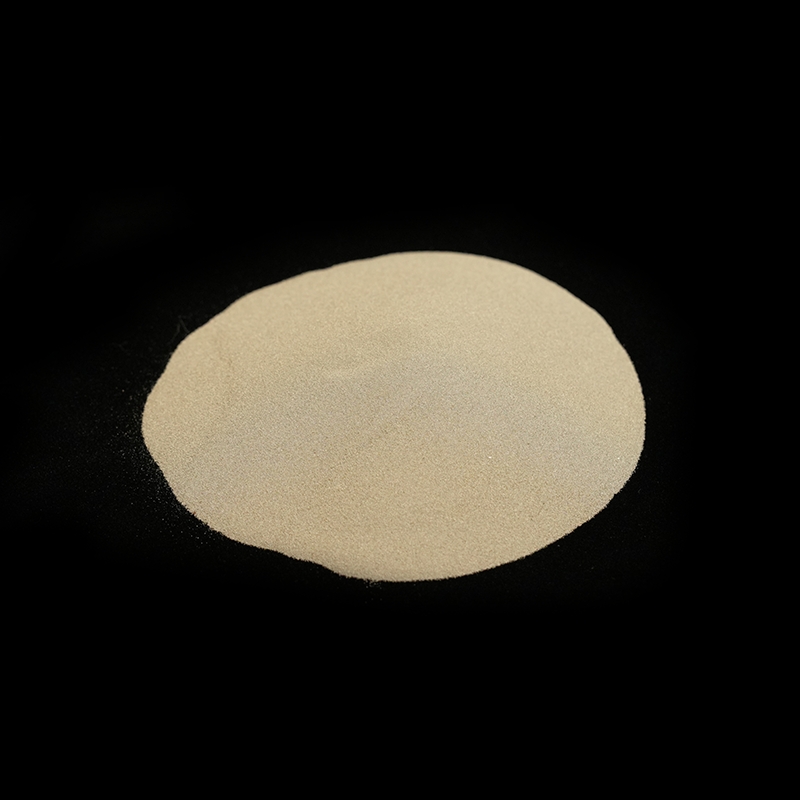
الكسوة بالليزر، والمعروفة أيضًا باسم الكسوة بالليزر أو ذوبان الليزر، هي تقنية جديدة لتعديل السطح. إنها تشكل طبقة كسوة حشو مرتبطة معدنيًا بسطح الركيزة عن طريق إضافة مادة الكسوة إلى سطح الركيزة واستخدام...
انظر التفاصيل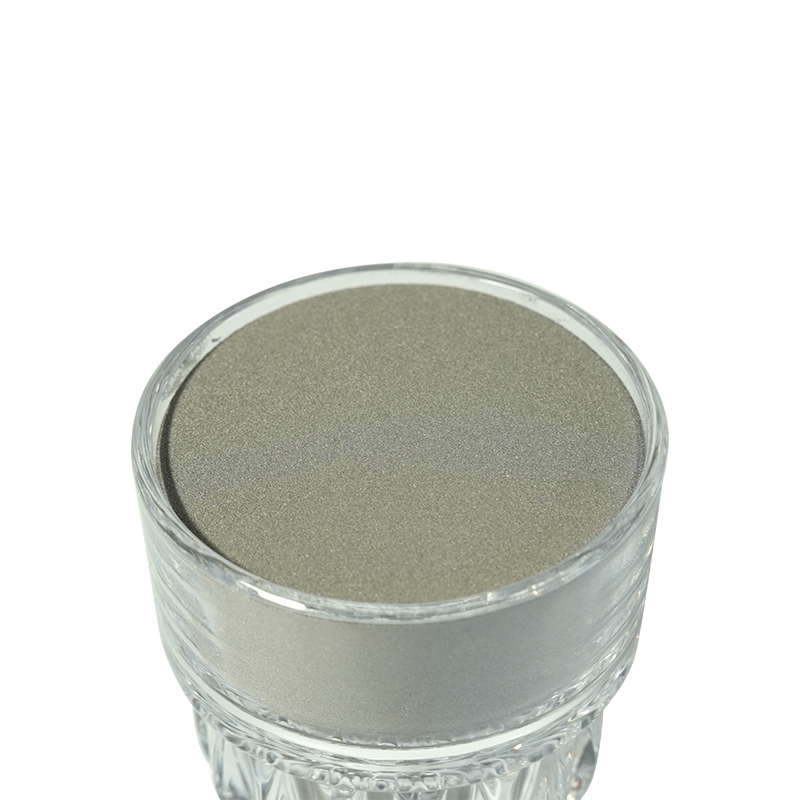
مسحوق معدن النيكل والكوبالت عبارة عن مسحوق سبائك معدنية عالي النقاء يتكون بشكل رئيسي من النيكل والكوبالت. ويستخدم على نطاق واسع في العديد من مجالات التكنولوجيا الفائقة، بما في ذلك البطاريات والمركب...
انظر التفاصيل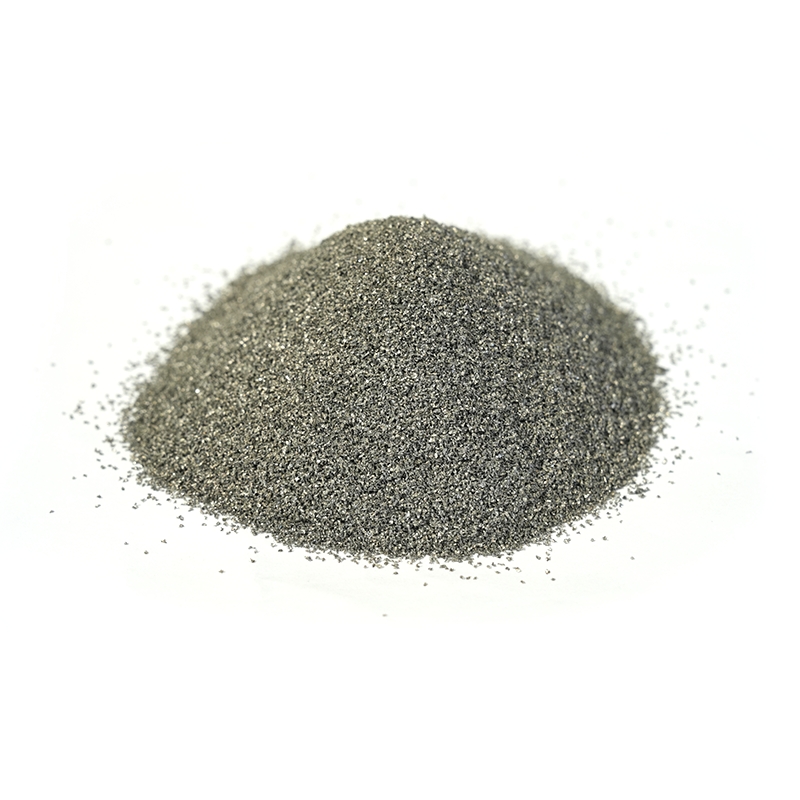
في الماضي، كانت مواد ترشيح الألياف الاصطناعية تُصنع دائمًا من رمل الألومينا والشبكات المعدنية ومواد أخرى. في الوقت الحاضر، من أجل تحسين كفاءة الغزل وإنتاج مواد ألياف عالية الجودة، اعتمد السوق تدريج...
انظر التفاصيل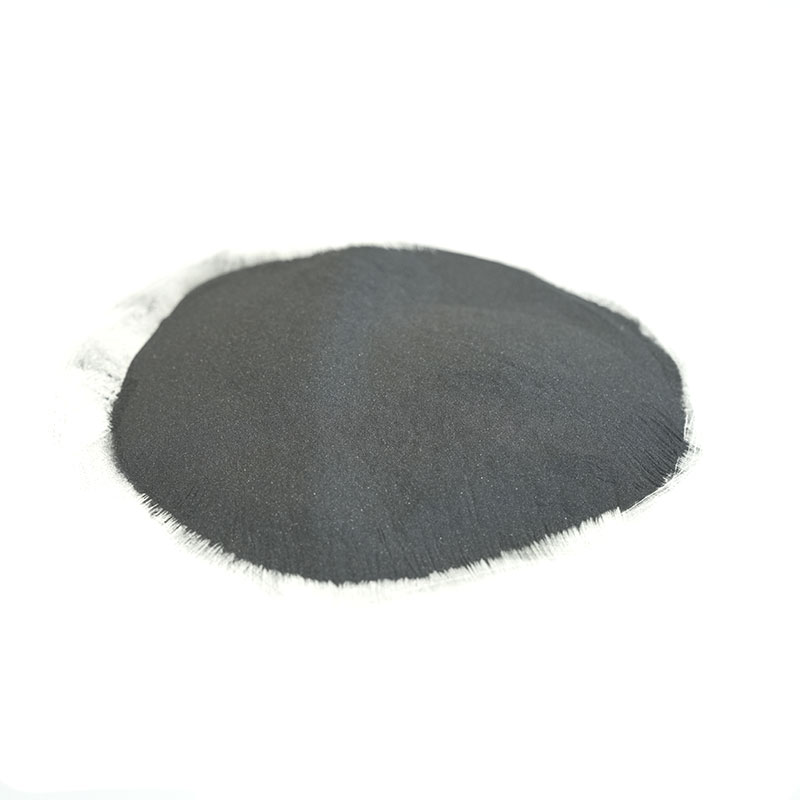
يتم تصميم سبائك الكربيد المركبة لمواجهة تحديات ظروف العمل الغريبة للغاية. سواء كان تآكل غازي عالي الحرارة، تآكل صخري شديد، أو تآكل سائل الزنك المنصهر، يمكنك إيجاد حلول مناظرة في هذه السلسلة من السبائك...
انظر التفاصيل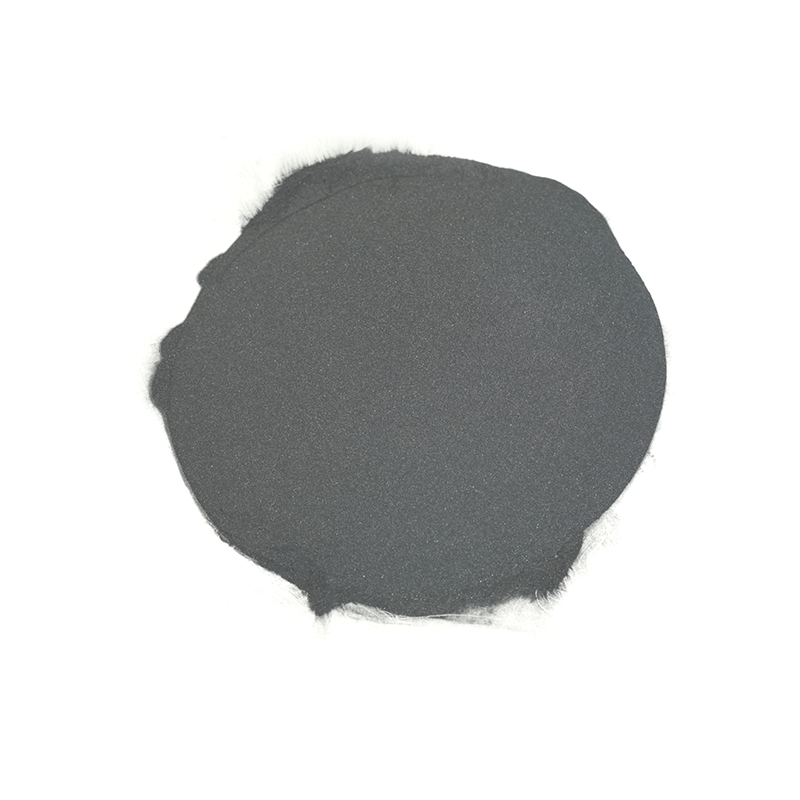
مسحوق الكربيد المركب الخاص بنا هو مادة صناعية عالية الأداء تجمع بين مجموعة متنوعة من الكربيدات. إنه ذو صلابة عالية للغاية، مقاومة التآكل ومقاومة ممتازة للتآكل. يستخدم على نطاق واسع في معالجة المعادن و...
انظر التفاصيل


 منطقة التركيز الصناعي بيانتشوانغ، يوكسي، منطقة جيانغيان، مقاطعة جيانغسو
 +86-0523-86505558 / +86-0523-86506668
 +86-13961019985 / +86-18852676660
 [email protected]
حقوق الطبع والنشر ©Jiangsu Crystal Additive Manufacturing Co., Ltd. جميع الحقوق
محفوظة.
